
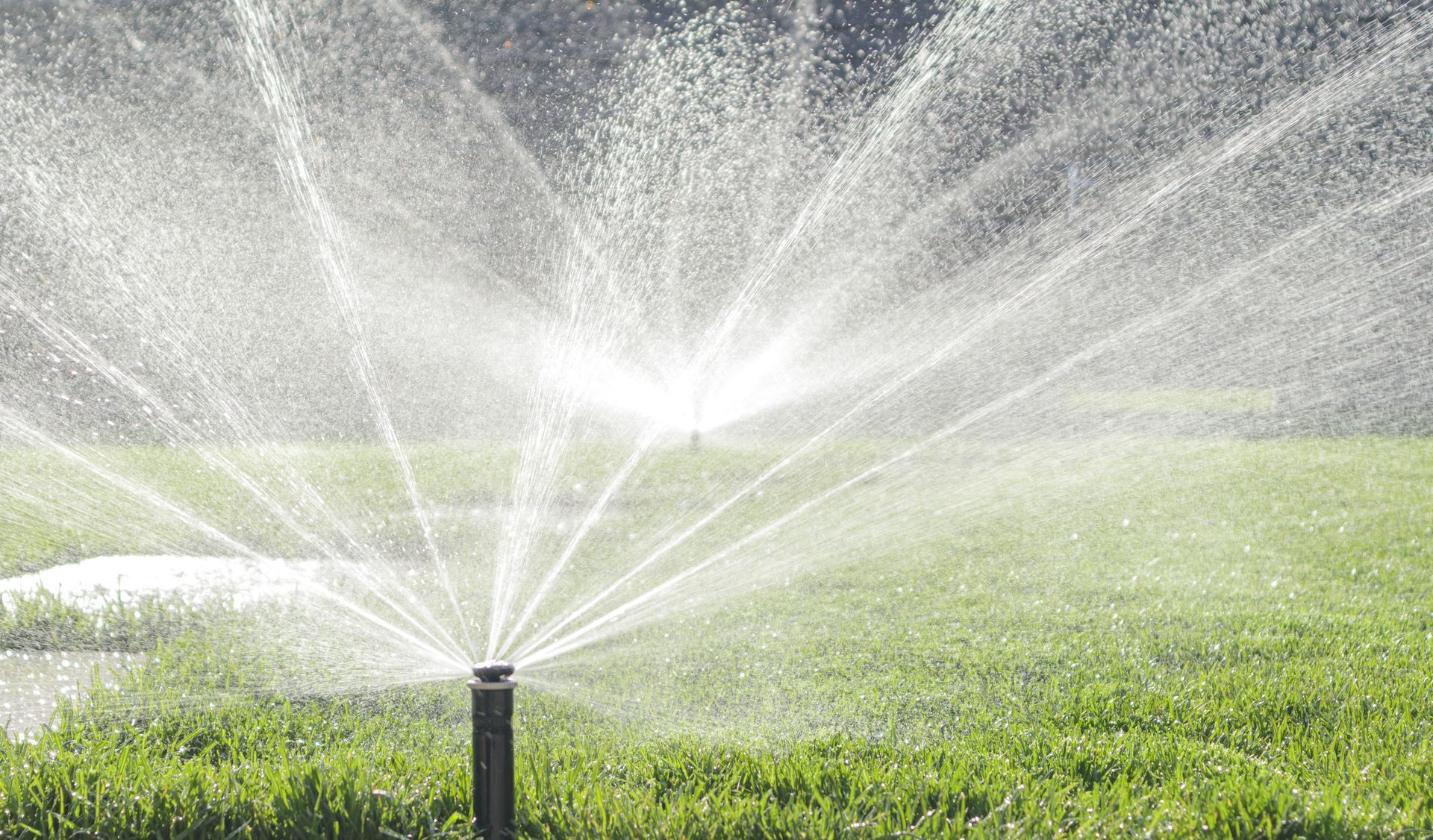
Water Where It's Needed Without Waste
Irrigation and Drainage Systems in Lake Elsinore for properties managing water distribution, preventing pooling, and protecting landscape investments
Professional Landscaping Corporation installs irrigation systems designed for efficient water delivery and custom drainage solutions that prevent standing water and property damage. You may need this service if your sprinklers leave dry spots while oversaturating other areas, if water pools near foundations after winter rains, or if runoff erodes planting beds and washes mulch onto hardscape. The work ensures water reaches plant roots where it supports growth, drains away from structures where it causes damage, and doesn't run off into streets where it's wasted.
Irrigation design starts with mapping your property's plant zones, sun exposure, soil type, and water pressure to determine the right combination of sprinkler heads, drip lines, and control valves. In Lake Elsinore, where summer heat and periodic drought restrictions affect water availability, systems are built to deliver water during early morning hours when evaporation is lowest and pressure is stable. Drip irrigation is used in planting beds and around trees where slow, deep watering promotes root development, while spray heads cover turf areas that need broader, even coverage. Backflow preventers are installed to protect the municipal water supply, and controllers allow zone-specific scheduling so you don't water shade plants on the same cycle as sun-exposed turf.
Contact Professional Landscaping Corporation to schedule a property assessment and discuss irrigation and drainage options based on your landscape layout and soil conditions.
What Proper Water Management Prevents
After installation, you'll notice water moving predictably across your property instead of collecting in low spots or running down the driveway into the street. Plants in beds receive consistent moisture at root depth without water pooling on the surface, and turf stays green without the brown patches that appear when coverage is uneven. During winter rains, water flows through drainage channels or French drains to designated outlets rather than saturating areas near foundations or creating muddy zones in high-traffic areas.
Professional Landscaping Corporation grades drainage routes to direct runoff toward landscape areas, existing storm drains, or dry wells where it can percolate into the ground without causing erosion. You won't see soil washing out from under pavers or concrete slabs, and water won't sit against building foundations where it can seep into crawl spaces or basements. Properly designed systems reduce water waste, lower monthly bills, and protect hardscape and landscape investments from damage caused by poor drainage or inefficient irrigation.
Systems require seasonal adjustments to match plant water needs, with run times reduced in cooler months and increased during peak summer heat. Controllers can be programmed to skip cycles after rainfall or when soil moisture is adequate, preventing overwatering that leads to fungal growth and shallow root systems. The work does not include ongoing maintenance such as replacing broken sprinkler heads, adjusting spray patterns as plants grow, or clearing clogged drip emitters, which are separate service tasks. Drainage solutions also do not address foundation waterproofing or grading changes that require engineered plans and permits.
Homeowners in Lake Elsinore often ask about water pressure, plant-specific watering needs, and how drainage systems handle seasonal rain.
Questions About System Design and Local Conditions
What causes some sprinkler zones to have weak pressure?
Low pressure usually results from undersized pipes, too many heads on one valve, or elevation changes that reduce flow, all of which are addressed during system design by balancing zones and using pressure-regulating components.
How does soil type affect irrigation and drainage design?
Clay soils absorb water slowly and drain poorly, requiring longer, less frequent watering cycles and drainage solutions like French drains to move water away from saturated areas before it damages plants or structures.
Why do drip systems work better for shrubs and trees?
Drip irrigation delivers water directly to root zones at a slow rate that allows deep soil penetration, which encourages deeper root growth and reduces evaporation compared to spray heads that wet leaf surfaces and surrounding soil.
When should you add drainage to an existing landscape?
Drainage becomes necessary when you notice standing water that lasts more than a day after rain, soggy areas where grass dies back, or water stains on foundation walls indicating moisture intrusion.
How do seasonal rain patterns in Lake Elsinore affect system planning?
Winter rains provide most of the annual moisture, so irrigation systems are designed to handle dry months from late spring through fall, with controllers programmed to reduce or suspend watering during wet periods.
Professional Landscaping Corporation can evaluate your property's water flow, pressure, and drainage issues to recommend system components and layout. Reach out at (951) 490-1679 to discuss what installation will involve and how the system will integrate with your existing landscape.