
Outdoor Surfaces That Flex Without Cracking
Paver Installation in Lake Elsinore for properties requiring durable patios, walkways, and driveways that adapt to soil movement
Professional Landscaping Corporation installs custom paver surfaces for patios, walkways, and driveways where traditional concrete slabs have cracked or where homeowners want design flexibility and easier repairs. You may need this service if your existing concrete patio shows multiple fracture lines from ground settling, if you're building an outdoor entertaining area that needs to match home architecture, or if you want a drivable surface that won't require full replacement when individual sections fail. Pavers distribute load across many small units rather than one continuous slab, allowing the surface to move slightly with soil shifts without visible cracking.
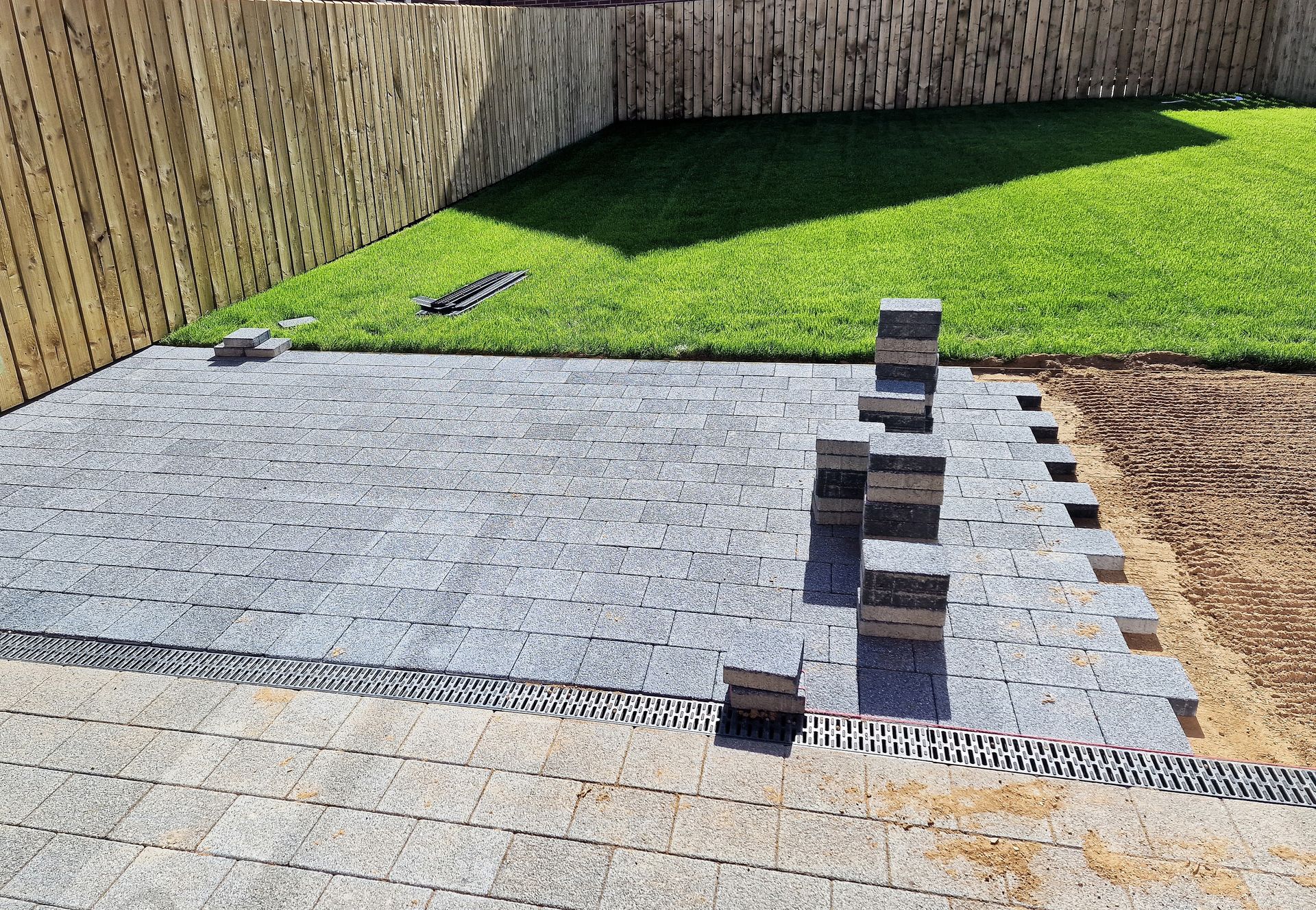
Installation begins with excavation to remove existing material and create room for a compacted base that provides stable support. Aggregate base rock is spread in layers and compacted with mechanical equipment to prevent future settling. A layer of bedding sand goes on top of the base, screeded level to ensure uniform paver height across the entire area. Pavers are laid in the chosen pattern, cut as needed to fit curves or borders, and edges are restrained with plastic or metal strips to prevent outward creep over time. Polymeric sand is swept into the joints and activated with water to lock pavers in place while still allowing individual units to shift slightly as the ground moves. You can choose from a wide range of colors, shapes, and textures to match your home's exterior or create distinct zones within a larger outdoor space.
Contact Professional Landscaping Corporation to schedule a consultation and review paver styles, layout options, and how the installation will integrate with your property's existing features.
How Pavers Perform After They're Set
Once the pavers are locked in and the polymeric sand has cured, you'll notice a firm, level surface that doesn't rock underfoot or shift when you walk across it. Water drains through the joints rather than running off in sheets, which reduces erosion around planting beds and prevents pooling near doorways. If a single paver cracks or stains years later, you can remove and replace just that unit without tearing up the entire patio or driveway, a repair option not available with poured concrete.
Professional Landscaping Corporation grades the base to direct water away from foundations and toward landscape areas or drainage channels, so rainfall doesn't collect on the surface or undermine the base over time. The joints between pavers allow slight independent movement, which absorbs stress from ground settling or temperature changes without creating visible cracks. You won't see the long, wandering fractures common in concrete slabs, and the surface maintains its appearance without needing resurfacing or patching as it ages.
Paver surfaces require occasional sweeping to remove debris from joints and periodic reapplication of polymeric sand if it washes out in areas with heavy water flow. Weeds can sprout in joints if polymeric sand is not used or if it degrades, but they pull out easily and can be controlled with targeted treatment. The work does not include modifications to underground utilities, grading changes that affect lot drainage beyond the paver area, or removal of tree roots that may need cutting before excavation begins.
Homeowners in Lake Elsinore often ask about color choices, maintenance, and how pavers compare to other surface options.
Questions About Paver Durability and Design
What causes pavers to sink or become uneven over time?
Settling usually results from inadequate base compaction or erosion of bedding sand, which is why proper base preparation and edge restraint are critical during installation.
How do you keep pavers from shifting apart?
Edge restraints and polymeric sand lock the pavers together as a unified surface while still allowing minor individual movement that prevents cracking under load or soil changes.
Why do some paver patios look faded after a few years?
Color fading typically affects lower-quality pavers or those without sealant in areas with intense sun exposure, though most modern pavers use integral color that resists UV degradation.
When should you choose pavers instead of stamped concrete?
Pavers work well when you want easier repair options, more design flexibility with patterns and borders, or a surface that handles soil movement without visible cracking.
How does Lake Elsinore's soil affect paver installation?
Clay soils that expand and contract with moisture require thicker aggregate base layers and deeper compaction to prevent uneven settling that can make the paver surface wavy over time.
Professional Landscaping Corporation can walk your property to assess slope, drainage, and soil conditions before recommending paver types and base specifications. Reach out at (951) 490-1679 to discuss layout options and get details on what the installation will involve for your outdoor space.